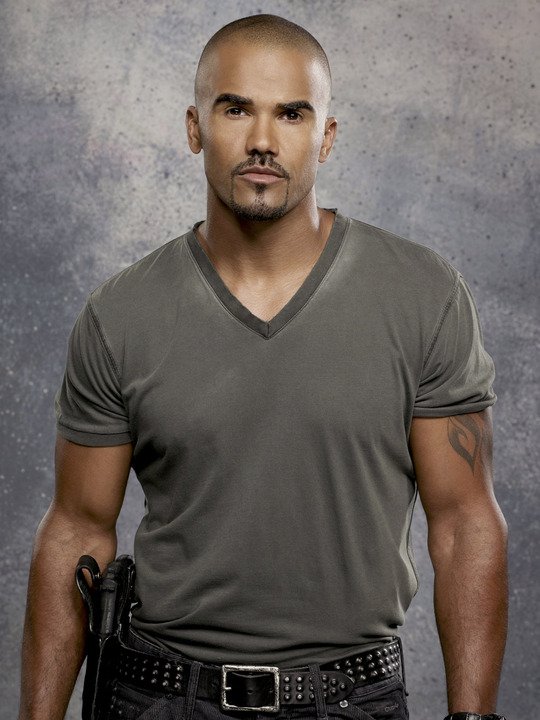
Derek Morgan wasn't just another Supervisory Special Agent; he was the heart, the muscle, and often the moral compass of the BAU. For eleven seasons, Shemar Moore brought an electrifying blend of charisma, vulnerability, and unwavering loyalty to the character, making his sudden departure from "Criminal Minds" one of the most talked-about exits in modern television history. Fans reeled, the BAU team felt a palpable void, and the question echoed across living rooms worldwide: Why did Shemar Moore leave his iconic role as Derek Morgan?
This wasn't a sudden, dramatic exit born of behind-the-scenes turmoil or creative differences. Instead, Moore's decision was a deeply personal one, a conscious choice to leap into the unknown, driven by a profound desire for creative evolution and a life beyond the comfort of a hugely successful series.
At a Glance: Shemar Moore's Departure as Derek Morgan
- When did he leave? Shemar Moore's final main cast appearance as Derek Morgan was in Season 11, Episode 251, "A Beautiful Disaster."
- Why did the character leave? Derek Morgan stepped away from the BAU to protect his newlywed wife and newborn son after a traumatic event, prioritizing his family's safety and well-being.
- Why did Shemar Moore leave? Moore sought personal and professional growth, viewing "Criminal Minds" as his "college" and ready for "grad school"—a new challenge beyond the established routine, not driven by fame or money.
- Was the character killed off? No. Show creator Erica Messer intentionally left Derek Morgan alive, allowing for future guest appearances.
- What did Shemar Moore do next? He quickly landed the lead role in the successful CBS procedural "S.W.A.T.," proving his ability to carry a new series.
- Will he ever return? Moore has made guest appearances and expressed openness to future cameos in "Criminal Minds: Evolution," though not a full-time return.
The Unthinkable Exit: Why Derek Morgan Left the BAU
For years, Derek Morgan was a constant. His playful banter with Penelope Garcia, his brotherly bond with Spencer Reid, and his fierce dedication to protecting victims made him indispensable to the Behavioral Analysis Unit. Then came season 11, a harrowing arc that tested Morgan like never before. He was abducted, tortured, and forced to confront unimaginable horrors. It was a storyline designed to push the character to his absolute breaking point, stripping away layers of his professional armor.
The culmination arrived in the two-part episode, "A Beautiful Disaster." After surviving his abduction, Morgan returned, only to face a new nightmare: his pregnant wife, Savannah, was shot by a sniper. This intensely personal attack, targeting the very foundation of his nascent family, irrevocably changed him. Derek Morgan, the man who always ran towards danger, suddenly found himself needing to run away from it—for his family's sake.
His on-screen exit was poignant and deeply moving. He chose to leave the BAU, the only family he'd known for over a decade, to be present for Savannah and their newborn son, Hank. It wasn't a retreat from fear, but a brave decision to prioritize a different kind of strength—the quiet, steadfast strength of a husband and father dedicated to ensuring his loved ones' safety and emotional well-being. This narrative choice resonated deeply with fans, making his departure understandable, even if heartbreaking. It allowed the character to leave with dignity and purpose, his integrity intact.
Shemar Moore's Personal Leap: More Than Just an Actor
While Derek Morgan's in-world reasons for leaving were clear, Shemar Moore's motivations were equally compelling, albeit from a different angle. For Moore, "Criminal Minds" wasn't just a job; it was a significant chapter in his acting career, a role he inhabited with immense passion and dedication for eleven years. But after spending eight years on "The Young and the Restless" and then eleven on "Criminal Minds," Moore felt an undeniable pull towards new horizons.
He famously articulated his career journey in an analogy that deeply resonated with fans and aspiring professionals alike. He described his time on "The Young and the Restless" as "high school," a formative period where he learned the ropes of television acting. "Criminal Minds," he said, was his "college"—a place where he honed his craft, understood the demands of a prime-time procedural, and solidified his standing as a leading man.
"I'm not leaving to go be a big movie star, I'm not leaving to go get a big pay cheque, I'm not leaving to go be a bigger celebrity. I'm leaving because I just want to grow. I just want to leap. And I don't know where I'm going to land."
This quote encapsulates the core of his decision: it wasn't about seeking more fame or chasing a larger paycheck. It was about an intrinsic, burning desire for creative growth. He felt ready for "grad school"—a phase of his career where he could challenge himself in new ways, explore different genres, take on roles that stretched his abilities, and perhaps even experience life outside the relentless grind of a long-running series. It was a leap of faith, an acknowledgment that comfort, while appealing, can sometimes stifle evolution.
His departure was a calculated risk, a testament to an artist's need to continually push boundaries rather than resting on past successes. It showed a profound understanding that true career fulfillment often lies in embracing uncertainty and actively seeking out experiences that foster personal and professional development. For anyone looking to understand the full scope of his character and what made him so compelling, delving into All things Criminal Minds Derek can offer even deeper insights.
A Door Left Open: The Genius of Erica Messer's Decision
One of the most significant aspects of Derek Morgan's departure, and a testament to the respect Shemar Moore had earned, was the showrunner's decision not to kill off the character. In television, when a beloved character leaves a long-running series, it's often a high-stakes moment. Sometimes, characters are written off dramatically, even tragically, to provide maximum emotional impact or to definitively close the door on an actor's return.
However, Erica Messer, the executive producer and showrunner of "Criminal Minds," chose a different path for Derek Morgan. She understood the profound connection fans had with the character and, crucially, the value of maintaining a positive relationship with Moore. By allowing Morgan to leave on his own terms, choosing family over the badge, Messer not only provided a satisfying narrative conclusion for the character but also kept the door open for future guest appearances.
This decision was brilliant for several reasons:
- Fan Satisfaction: It spared viewers the trauma of losing Morgan completely and offered a hopeful, albeit bittersweet, ending for his story. Fans could imagine Morgan living a happy life with Savannah and Hank.
- Narrative Flexibility: It meant the BAU could always, in theory, call upon their old friend for assistance in a crisis, adding a layer of authenticity to the team's enduring bond.
- Respect for the Actor: It honored Shemar Moore's contribution to the show and acknowledged his desire for new challenges without burning bridges. It signaled a collaborative spirit rather than a contentious parting.
Indeed, Moore did return for guest appearances after his departure, much to the delight of fans, proving the wisdom of Messer's decision. These brief returns felt like true family reunions, reinforcing the idea that once you're part of the BAU family, you're always part of it.
Life After BAU: Shemar Moore's S.W.A.T. Success
The "grad school" phase of Shemar Moore's career didn't keep him out of the spotlight for long. Less than a year after his "Criminal Minds" exit, Moore landed the lead role in "S.W.A.T.," another CBS procedural. This move raised eyebrows for some: wasn't it just another police procedural? Had he truly "leapt" if he was staying in a similar genre?
However, "S.W.A.T." provided Moore with precisely the kind of challenge he was seeking, albeit within a familiar network and genre:
- Leading Man Status: As Sergeant Daniel "Hondo" Harrelson, Moore was unequivocally the lead. He carried the show, taking on a greater share of the narrative and character development responsibilities than he had in "Criminal Minds," where he was part of a larger ensemble.
- New Character Nuances: While both Derek Morgan and Hondo are strong, moral law enforcement officers, Hondo's character navigated complex issues of community policing, racial tensions, and leadership in a highly tactical and physically demanding role. It required a different kind of gravitas and intensity.
- Producing Role: Moore also became a producer on "S.W.A.T.," giving him a greater creative stake and influence behind the scenes, fulfilling a different aspect of his desire for growth.
- Sustained Success: "S.W.A.T." ran for seven seasons, demonstrating Moore's enduring appeal and his ability to successfully launch and sustain a new series. It proved his "leap" was not only artistically fulfilling but commercially viable, cementing his status as a bankable star.
The success of "S.W.A.T.," which even has a spin-off in development, undeniably vindicated Moore's decision to leave "Criminal Minds." It showed that taking a risk, even if it means stepping away from something comfortable and beloved, can lead to new and equally rewarding opportunities. It was a clear demonstration that his drive for "grad school" was about expanding his craft, not abandoning it.
The Unbreakable Bond: Moore, The Cast, and The Fans
One of the most endearing aspects of Shemar Moore's departure is the clear, strong relationships he maintained with his "Criminal Minds" family. Unlike some high-profile exits marked by rumored feuds or behind-the-scenes drama, Moore's split was remarkably amicable. He frequently spoke fondly of his castmates and the crew, and they, in turn, expressed unwavering support for his new ventures.
This mutual respect was evident in his several guest appearances post-departure:
- Season 12, Episode 13 "Spencer": Morgan returns to help his dear friend Spencer Reid, who is in trouble. This appearance was particularly impactful, highlighting the deep bond between the two characters and demonstrating Morgan's unwavering loyalty.
- Season 13, Episode 5 "Lucky Strikes": Another brief but welcome return, showing that Morgan remained connected to the team even from afar.
These guest spots weren't just fan service; they reinforced the narrative that while Morgan might have left the BAU, he never truly left his family. They also demonstrated Moore's genuine affection for the show and his willingness to contribute when it made sense for the story.
Now, with the advent of "Criminal Minds: Evolution" on Paramount+, fans continue to hold out hope for more Derek Morgan cameos. The show has successfully brought back other beloved characters, making Moore's return seem increasingly plausible. Moore himself has been open about the possibility, stating he would "never say never" to reprising his role for guest appearances, provided it fits his schedule and the storyline makes sense. However, he has also been clear that he is not looking for a long-term contract, balancing his love for the character with his continued commitment to his "grad school" journey and new projects.
The enduring fan connection to Derek Morgan speaks volumes. Social media buzz, fan theories, and continuous calls for his return highlight not just the character's impact but also Shemar Moore's indelible mark on the series. It's a testament to the power of a well-crafted character and the actor who brings him to life with such conviction.
Decoding the "Grad School" Mindset: What Actors Teach Us About Career Growth
Shemar Moore's story as Derek Morgan isn't just about a TV character and an actor's career choices; it's a powerful metaphor for personal and professional growth that resonates far beyond Hollywood. His "high school," "college," and "grad school" analogy offers a valuable framework for understanding career progression and the human desire for new challenges.
Consider what we can learn from his journey:
- Embracing Evolution: Sticking with what's comfortable can prevent growth. Moore recognized that even in a successful, well-paying role, he had stopped growing in the way he desired. This isn't about dissatisfaction, but about a healthy drive for new learning and experiences.
- Taking Calculated Risks: Leaving a stable, hit show is a huge gamble. Moore wasn't guaranteed another success. His decision highlights the importance of courage and conviction in pursuing one's aspirations, even when the path is uncertain.
- Prioritizing Personal Fulfillment: Moore explicitly stated his departure wasn't for more fame or money, but for growth. This emphasizes that true career satisfaction often stems from alignment with personal values and a sense of purpose, not just external rewards.
- Maintaining Relationships: The amicable nature of his departure and his willingness to return for guest appearances underscore the value of strong professional relationships. Burning bridges rarely serves long-term goals.
- Defining Your Own Success: Moore's "grad school" wasn't necessarily about reaching a higher peak of fame, but about a more complex, nuanced form of success involving greater creative control and diverse experiences. It challenges us to define success on our own terms.
This mindset isn't exclusive to actors. Professionals in any field can find themselves in a "college" phase—proficient, comfortable, but perhaps yearning for more. Moore's journey reminds us that recognizing that yearning and acting on it, thoughtfully and strategically, can unlock entirely new dimensions of one's career and personal life.
Frequently Asked Questions About Derek Morgan's Departure
Fans have a lot of lingering questions about Derek Morgan and Shemar Moore's exit. Let's tackle some of the most common ones.
Will Derek Morgan ever return to "Criminal Minds" permanently?
While Shemar Moore has made guest appearances since his departure and has expressed openness to future cameos in "Criminal Minds: Evolution," he has been clear that he is not looking for a long-term contract or a permanent return. His focus remains on new projects and the "grad school" phase of his career. So, while you might see him pop up for special occasions, don't expect him back as a full-time BAU member.
Why didn't they kill off Derek Morgan?
Erica Messer, the showrunner, made a deliberate choice not to kill off Derek Morgan. This decision stemmed from a desire to respect both the character's legacy and Shemar Moore's contributions to the show. It also allowed for the possibility of future guest appearances, providing fan service and narrative flexibility without definitively closing the door on the character. It was a respectful and strategic move that benefited everyone involved.
Was Shemar Moore fired from "Criminal Minds"?
Absolutely not. Shemar Moore's departure was entirely his own decision, driven by a personal desire for creative growth and to explore new challenges. He left on excellent terms with the cast, crew, and producers, maintaining strong relationships that have led to his subsequent guest appearances. Any rumors of him being fired are unfounded.
What show did Shemar Moore go to after "Criminal Minds"?
After leaving "Criminal Minds," Shemar Moore quickly secured the lead role in another successful CBS procedural, "S.W.A.T." He played Sergeant Daniel "Hondo" Harrelson, a role that allowed him to take on greater leadership responsibilities on-screen and behind the scenes as a producer. "S.W.A.T." ran for seven seasons and proved to be a highly successful next chapter in his career.
How did the BAU team react to Derek Morgan's departure?
On-screen, the BAU team was deeply affected by Morgan's departure. They understood and supported his decision to prioritize his family, but his absence left a noticeable void in the team dynamic. Characters like Penelope Garcia, his closest friend on the team, struggled significantly with his absence. Off-screen, the cast expressed immense support and understanding for Shemar Moore's decision, highlighting their real-life camaraderie.
The Legacy of a Supervisory Special Agent: What Derek Morgan Means to Criminal Minds
Derek Morgan’s departure marked the end of an era for "Criminal Minds," but his legacy endures. He was more than just a crime solver; he was a dynamic force within the BAU, bringing a unique blend of street smarts, empathy, and unwavering strength. His character grounded the team, often acting as the emotional anchor, particularly for complex relationships like his "baby girl" dynamic with Garcia and his protective bond with Reid.
Morgan’s journey from a troubled youth to a dedicated agent, overcoming personal demons and proving his worth, resonated deeply. He was a champion for the victims, a fierce protector of his teammates, and a man who ultimately chose family above all else. His story arc provided a powerful narrative about resilience, redemption, and the evolving definition of heroism.
Even now, years after his full-time departure, the mere mention of Derek Morgan’s name evokes a strong emotional response from fans. He set a standard for what a strong, compassionate male lead could be in a procedural drama, paving the way for similar characters and leaving an indelible mark on the "Criminal Minds" universe. His presence is still felt, a testament to the character's depth and Shemar Moore's masterful portrayal.
Moving Forward: The Enduring Impact of a Bold Choice
Shemar Moore's decision to leave "Criminal Minds" as Derek Morgan wasn't just a pivot in an actor's career; it was a masterclass in strategic career management and personal growth. It underscored the courage it takes to step away from comfort and certainty, even when that comfort is rooted in immense success and widespread adoration.
His journey reminds us that true fulfillment often lies not in accumulating more, but in experiencing different. It's about recognizing when one chapter has served its purpose and having the conviction to turn the page, even if the next one is yet to be written. Moore’s willingness to "leap" and embrace the "grad school" phase of his career paid off handsomely, solidifying his status not just as a talented actor, but as a forward-thinking professional who prioritizes evolution.
For fans, the memory of Derek Morgan remains vibrant, a testament to the powerful connection forged over eleven compelling seasons. And for Shemar Moore, his story is a compelling reminder that sometimes, the boldest choices lead to the most rewarding destinations. His "Criminal Minds" departure wasn't an ending, but a springboard for a richer, more diverse career, proving that growth, indeed, is a beautiful disaster and a beautiful adventure all at once.